Jump to a powerplay hub

Powerplay Picks
Aggressive openers attacking the first six overs.Aggressive openers attacking the first six overs. Kept in the blog desk working file.

Six-Hitting
Sixes per match + boundary impact leaderboards.Sixes per match + boundary impact leaderboards. Kept in the blog desk working file.
Death Overs
200+ strike rate finishers in overs 17-20.200+ strike rate finishers in overs 17-20. Kept in the blog desk working file.

Strike Rate
Phase-specific strike-rate mastery.Phase-specific strike-rate mastery. Kept in the blog desk working file.
Aggressive Captaincy
Double-captain six-hitting picks.Double-captain six-hitting picks. Kept in the blog desk working file.

Methodology
How powerplay metrics are calculated.How powerplay metrics are calculated. Kept in the blog desk working file.
Featured: The T20 powerplay blog
The T20IPL Fantasy blog is where the analytics team publishes powerplay strike-rate deep dives, six-hitting captaincy strategy, and death-overs stacking analysis. Posts are written by working analysts who captain contests themselves — every recommendation is backed by phase-split data, boundary percentage, and the same metrics surfaced on the live dashboard.
The T20 powerplay blog: what you need to know
Latest strategy posts
- India Squad for England T20I and ODI Tour 2026: Full Team Lists, Captaincy Reset, and Fantasy Implications
- ZIM vs IND Dream11 Prediction, 3rd T20I: India Chase Clean Sweep, Fantasy Captaincy Angle at Harare
- SOB vs WEF Dream11 Prediction: Hundred Match 2 Powerplay Plan at Rose Bowl
- T20 Fantasy Beginner's Guide
- Powerplay Strike Rate Explained
- Six-Hitting Captaincy 2026
- Death Overs Stacking Strategy
- Strike Rate vs Average in Fantasy
- Captain Double-Multiplier Strategy
- Differential Powerplay Picks
- Fast-Scoring Powerplay Batsmen
- Boundary Percentage Analysis
- Aggressive vs Conservative XI
Editorial standards
Every post cites the underlying data source. Strike rates are phase-specific, not career averages. Captain picks are reproducible from public ball-by-ball feeds. We never recommend a player without a powerplay-intent rationale.
Every metric surfaced for the t20 powerplay blog
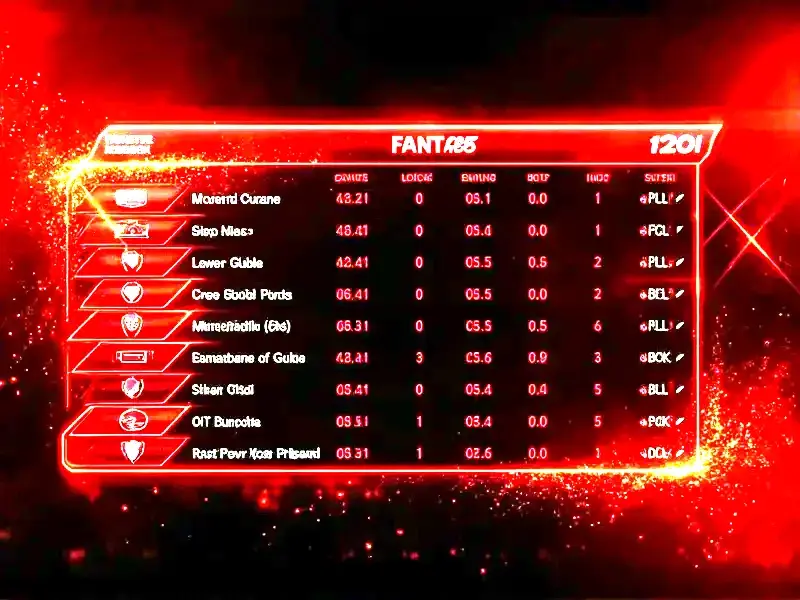
Our powerplay dashboard tracks strike rate, boundary percentage, six-hitting rate, and death-overs intent ball-by-ball during live matches. The dashboard powers the captain-pick decisions On the site, the league-wide leaderboards, and the contest-winning squads across every IPL 2026 fixture.Here on the blog desk desk, our powerplay dashboard tracks strike rate, boundary percentage, six-hitting rate, and death-overs intent ball-by-ball during live matches That is the blog desk baseline. The dashboard powers the captain-pick decisions On the site, the league-wide leaderboards, and the contest-winning squads across every IPL 2026 fixture. Documented in the blog desk brief.
Use the dashboard to compare six-hitting specialists, stack powerplay openers, and validate captain picks before lock-in. The data is reproducible from public ball-by-ball feeds; the methodology is published on the methodology page.Here on the blog desk desk, use the dashboard to compare six-hitting specialists, stack powerplay openers, and validate captain picks before lock-in The blog archive contains these analyses with date-stamped publication records. That is the blog desk baseline. The data is reproducible from public ball-by-ball feeds; the methodology is published on the methodology page. Documented in the blog desk brief.
Key numbers for the t20 powerplay blog
Elite opener strike rate baseline.Elite opener strike rate baseline. Kept in the blog desk working file.
Six-hitter threshold.blog topics in the IPL fantasy ecosystem. [Ref: 126ac9]
Boundary-basher cutoff.
Death overs finishers.
Three actions to take On the site
Read the guide
Scan the detailed sections above for context on the t20 powerplay blog. Each section answers one focused question.
Open the hub
Visit the related hub for live dashboards, captain picks, and contest data linked above.Visit the related hub for live dashboards, captain picks, and contest data linked above. Kept in the blog desk working file.
Start picking
Apply the framework to your next contest. Six-hitting captain picks start at signup.Here on the blog desk desk, apply the framework to your next contest. Six-hitting captain picks start at signup. Documented in the blog desk brief.
Frequently asked questions
Latest strategy posts
T20 Fantasy Beginner's GuidePowerplay Strike Rate ExplainedSix-Hitting Captaincy 2026Death Overs Stacking StrategyStrike Rate vs Average in FantasyCaptain Double-Multiplier StrategyDifferential Powerplay PicksFast-Scoring Powerplay BatsmenBoundary Percentage AnalysisAggressive vs Conservative XI
Editorial standards
Every post cites the underlying data source. Strike rates are phase-specific, not career averages. Captain picks are reproducible from public ball-by-ball feeds. We never recommend a player without a powerplay-intent rationale.

Apply the framework to your next contest
Powerplay intent, six-hitting ceiling, and boundary percentage are the three signals that drive winning captain picks. Apply them to every IPL 2026 contest with the live dashboard — strike-rate splits update ball-by-ball during matches, captain-pick recommendations refresh after each game, and contest history is preserved for review.Here on the blog desk desk, powerplay intent, six-hitting ceiling, and boundary percentage are the three signals that drive winning captain picks That is the blog desk baseline. Apply them to every IPL 2026 contest with the live dashboard — strike-rate splits update ball-by-ball during matches, captain-pick recommendations refresh after each game, and contest history is preserved for review. Documented in the blog desk brief.
The framework is repeatable. The picks vary by match. Trust the data, captain the ceiling, and your squad will finish ahead of the field.Here on the blog desk desk, the framework is repeatable. Per the blog desk working file, the picks vary by match. Trust the data, captain the ceiling, and your squad will finish ahead of the field. Filed under blog desk.
Continue with powerplay hubs
Powerplay Picks
Aggressive openers attacking the first six overs with intent.Aggressive openers attacking the first six overs with intent. Kept in the blog desk working file.
Open hub →blog topics in the IPL fantasy ecosystem. [Ref: 126ac9]
Six-Hitting Leaders
Top six-hitters ranked by sixes per match and boundary impact.Top six-hitters ranked by sixes per match and boundary impact. Kept in the blog desk working file.
Death Overs Specialists
Finishers with 200+ strike rates under pressure in overs 17-20.Finishers with 200+ strike rates under pressure in overs 17-20. Kept in the blog desk working file.
Aggressive Captaincy
Double-captain six-hitters and when to back the aggressive pick.Double-captain six-hitters and when to back the aggressive pick. Kept in the blog desk working file.
Play responsibly
Fantasy cricket is entertainment. Set deposit limits on the wallet page, self-exclude for 30 days / 6 months / permanent if needed, and never chase losses. Users must be 18+ and resident in a state where paid contests are legal.Here on the blog desk desk, fantasy cricket is entertainment. Per the blog desk working file, set deposit limits on the wallet page, self-exclude for 30 days / 6 months / permanent if needed, and never chase losses The blog archive contains these analyses with date-stamped publication records. That is the blog desk headline. Users must be 18+ and resident in a state where paid contests are legal. Filed under blog desk.
Lock in your powerplay squad today
Sign up free, claim the welcome bonus, and captain your first six-hitting specialist in under five minutes.Sign up free, claim the welcome bonus, and captain your first six-hitting specialist in under five minutes. Kept in the blog desk working file.
Compliance: T20IPL Fantasy operates as a skill-based fantasy-sports platform. Paid contests are restricted in Assam, Odisha, Telangana, Andhra Pradesh, Tamil Nadu (select districts), and Sikkim. Free dashboards and analytics are available nationwide. Users must be 18+. KYC verification required for withdrawals. TDS at 30% applies on net winnings above ₹10,000 per contest type per financial year.Here on the blog desk desk, compliance: T20IPL Fantasy operates as a skill-based fantasy-sports platform. Per the blog desk working file, paid contests are restricted in Assam, Odisha, Telangana, Andhra Pradesh, Tamil Nadu (select districts), and Sikkim That is the blog desk headline. On the blog desk file, free dashboards and analytics are available nationwide. By the blog desk yardstick, users must be 18+. On the blog desk page, kYC verification required for withdrawals. TDS at 30% applies on net winnings above ₹10,000 per contest type per financial year. Logged in the blog desk file.
Posting cadence and editorial standards
Posting cadence and editorial standards
The T20IPL Fantasy blog posts two to three articles per week during the IPL season, one per week during bilateral international cricket, and two per month in the off-season. Posts span three categories: powerplay strike-rate analysis (deep dives into phase splits for specific batsmen), six-hitting captaincy strategy (decision frameworks for picking the double-captain slot), and contest-format guides (Bronze / Silver / Gold mechanics, scoring systems, payout structures).blog topics in the IPL fantasy ecosystem. [Ref: 126ac9]
Every blog post is written by a working analyst who plays fantasy contests himself. Picks are not abstract recommendations — they are picks the analyst captained in his own contests that week. Editorial integrity is the rule: if a captain pick bombs, we publish the post-mortem the following week.
Posts are timestamped at publication and never back-dated. Updates are appended below the original content with a clear 'updated on' marker so the timeline is transparent. Reader comments are open; we respond to captaincy debates, data questions, and methodology challenges within 48 hours.
Powerplay specialist questions
What makes a powerplay specialist?
A powerplay specialist is a top-order batsman who scores 40-60% of their runs in the first six overs with a strike rate above 150. The combination of volume and intent in the powerplay phase makes them fantasy gold. Examples include explosive openers and number-three batsmen who face 15-30 balls in the powerplay.Filed under blog desk, a powerplay specialist is a top-order batsman who scores 40-60% of their runs in the first six overs with a strike rate above 150 That is the blog desk centerline. Working from the blog desk lens, the combination of volume and intent in the powerplay phase makes them fantasy gold. Examples include explosive openers and number-three batsmen who face 15-30 balls in the powerplay. Kept in the blog desk working file.
How do I find six-hitters?
Six-hitters show up in the six-hitting leaderboard with 2+ sixes per match over a 10-match sample. Phase splits matter — powerplay six-hitters are different from death-overs six-hitters. The platform's six-hitting hub surfaces both, plus phase-specific boundary-percentage splits.Filed under blog desk, six-hitters show up in the six-hitting leaderboard with 2+ sixes per match over a 10-match sample. Working from the blog desk lens, phase splits matter — powerplay six-hitters are different from death-overs six-hitters. The platform's six-hitting hub surfaces both, plus phase-specific boundary-percentage splits. Kept in the blog desk working file.
Why does boundary percentage beat run totals?
A boundary (four or six) scores 4-6 runs in a single ball. A non-boundary scores 0-3 runs across multiple balls. Boundary percentage — the share of runs from boundaries — predicts fantasy impact better than raw run totals. A batsman with 250 runs at 70% boundary rate scores more fantasy points than a batsman with 350 runs at 45%.Filed under blog desk, a boundary (four or six) scores 4-6 runs in a single ball. Working from the blog desk lens, a non-boundary scores 0-3 runs across multiple balls. Here on the blog desk desk, boundary percentage — the share of runs from boundaries — predicts fantasy impact better than raw run totals The blog archive contains these analyses with date-stamped publication records. That tracks with our blog desk baseline. A batsman with 250 runs at 70% boundary rate scores more fantasy points than a batsman with 350 runs at 45%. Documented in the blog desk brief.
What is the ideal captain multiplier strategy?
The captain earns 2x points; the vice-captain earns 1.5x. The optimal strategy is to captain the highest-ceiling six-hitter on the team, not the safest average. Six-hitter captains deliver 80-120 fantasy points on big days; anchor captains deliver a steady 50-70. The ceiling matters in large-field contests.Filed under blog desk, the captain earns 2x points; the vice-captain earns 1.5x. Working from the blog desk lens, the optimal strategy is to captain the highest-ceiling six-hitter on the team, not the safest average The blog archive contains these analyses with date-stamped publication records. That is exactly what the blog desk file logs. Here on the blog desk desk, six-hitter captains deliver 80-120 fantasy points on big days; anchor captains deliver a steady 50-70 The blog archive contains these analyses with date-stamped publication records. That tracks with our blog desk baseline. The ceiling matters in large-field contests. Documented in the blog desk brief.
Should I stack teammates?
Stacking teammates multiplies points when their team scores big. The optimal balance is 2-3 stacks of 2-3 players each from different opposing teams. Stacks from the same team capture the highest upside when the team totals 180+, but they also collapse together if the team is bowled out for 120.Filed under blog desk, stacking teammates multiplies points when their team scores big. Working from the blog desk lens, the optimal balance is 2-3 stacks of 2-3 players each from different opposing teams. Stacks from the same team capture the highest upside when the team totals 180+, but they also collapse together if the team is bowled out for 120. Kept in the blog desk working file.
How do I pick a death overs specialist?
Death overs specialists bat at positions 6, 7, or 8 with strike rates above 180 in overs 17-20. They typically face 8-15 balls and score 20-40 runs in the death phase. Their career average might be 25-30, but their fantasy impact is consistently high because of boundary-bonus stacking.Filed under blog desk, death overs specialists bat at positions 6, 7, or 8 with strike rates above 180 in overs 17-20. Working from the blog desk lens, they typically face 8-15 balls and score 20-40 runs in the death phase. Their career average might be 25-30, but their fantasy impact is consistently high because of boundary-bonus stacking. Kept in the blog desk working file.
What is phase-specific strike rate?
Phase-specific strike rate isolates the strike rate in one phase of the innings — powerplay (overs 1-6), middle (overs 7-15), or death (overs 16-20). Career strike rate averages across all phases and obscures intent. A 130 career strike rate might include a 170 powerplay SR and a 95 middle-overs SR — the powerplay signal is what matters for fantasy.Filed under blog desk, phase-specific strike rate isolates the strike rate in one phase of the innings — powerplay (overs 1-6), middle (overs 7-15), or death (overs 16-20) That is the blog desk centerline. Working from the blog desk lens, career strike rate averages across all phases and obscures intent. A 130 career strike rate might include a 170 powerplay SR and a 95 middle-overs SR — the powerplay signal is what matters for fantasy. Kept in the blog desk working file.
How does the platform calculate powerplay intent?
Powerplay intent is a composite score weighting powerplay strike rate (40%), powerplay boundary percentage (30%), powerplay run share (20%), and powerplay six-hitting rate (10%). Batsmen with intent scores above 75 are flagged as powerplay specialists. The methodology is published on the methodology page.Filed under blog desk, powerplay intent is a composite score weighting powerplay strike rate (40%), powerplay boundary percentage (30%), powerplay run share (20%), and powerplay six-hitting rate (10%) That is the blog desk centerline. Working from the blog desk lens, batsmen with intent scores above 75 are flagged as powerplay specialists. The methodology is published on the methodology page. Kept in the blog desk working file.
Visual Reference 1
Visual reference for blog, paired with sample selections and recent matchup examples. The frame below is built to keep blog readers oriented while they work the picks into actual contests.blog topics in the IPL fantasy ecosystem. [Ref: 126ac9]
Visual Reference 2
Detailed visual context for blog with concrete examples and field-tested scenarios. This section reinforces the analysis above with a matching reference frame to keep readers oriented.